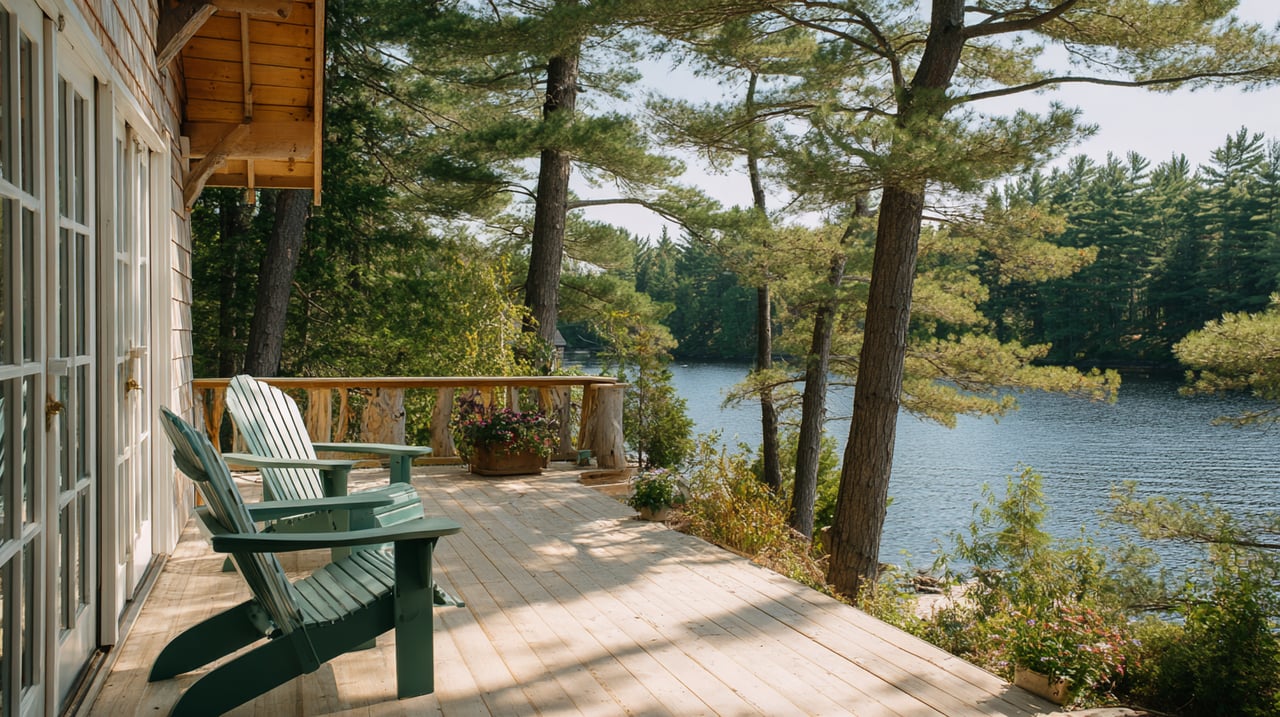
A Cocodrie camp can look like the perfect rental on a Saturday afternoon. Plenty of room, water nearby, a spot for the boat, and a porch where you can already picture people spending the evening.
But owning a place and operating it for guests are two different things.
The same is true for a house in Houma. Once other people are coming and going regularly, you start noticing things you may never think twice about when it is just your own family using the property.
Before you start counting weekends and nightly rates, look at how the property will actually work.
If you are still deciding whether your camp is suited for guests in the first place, our article on short-term rentals for your Cocodrie camp covers that side of the decision in more detail.
Think Like the Guest for a Minute
In Cocodrie, guests may arrive with a truck, a boat, a trailer, coolers, fishing equipment, and quite a bit more than an overnight bag.
Where does all of that go?
Parking that works perfectly for one owner may get crowded quickly with two families and a boat trailer. The same goes for storage, outdoor cleanup, wet towels, fish-cleaning areas, and trash.
A Houma property may have a different guest altogether. Someone staying for work or visiting family is probably thinking more about bedroom layout, laundry, internet, kitchen space, and how easy it is to get around town.
The best rental setup is not necessarily the fanciest one. It is the one that makes sense for the people most likely to stay there.
Be Realistic About the Work Between Guests
This part is easy to underestimate.
A rental gets used differently from a second home. Doors open and close more often. Air conditioning gets adjusted. Linens turn over constantly. Floors see more traffic. Things that last years with one family can wear much faster with a steady stream of guests.
For a camp, add humidity, salt air, wet fishing gear, and outdoor living to the mix.
Before spending money on cosmetic upgrades, I would rather see an owner think through the things that make the property easier to take care of. Durable flooring, good storage, washable surfaces, reliable appliances, and a sensible place for people to come in after a day on the water may do more for the property than something chosen mainly because it looks pretty online.
You also need a plan for when something goes wrong.
If the air conditioner stops working on Friday afternoon, who gets the call? Who handles cleaning? Who checks the property after rough weather? If you do not live nearby, those relationships become part of running the property.
Look Past the Nightly Rate
It is tempting to see what nearby properties are renting for and start multiplying.
The ownership side has more numbers.
Utilities, cleaning, repairs, furnishings, taxes, platform expenses, lawn or exterior maintenance, management costs if you use someone, and insurance all come out of the same pot.
That does not mean the property cannot make sense. It means you want a realistic picture before you depend on rental income to make the numbers work.
This is also where flood insurance enters the conversation in South Louisiana.
Not as the whole story. Just as one of the costs and protections you need to understand.
Pull the Flood Information for the Address
Start with the current flood-map information for the property.
If an Elevation Certificate is available, get it. Ask about previous water issues and drainage. Look at how the house or camp is elevated and where important equipment is located.
For raised camps, pay particular attention to what is happening below the main living area. Owners sometimes use those spaces for storage without giving much thought to how those belongings would be treated after a flood.
And do not let a lender make the entire flood decision for you.
If flood insurance is required for the loan, you will obviously have to satisfy that requirement. If it is not required, that does not mean the question disappears. It simply becomes your decision as the property owner.
Make Sure You Know What the Policy Covers
A furnished rental has more in it than the structure.
Beds, sofas, televisions, appliances, tables, kitchen items, and all the little things that make a rental usable can add up surprisingly fast.
Flood building coverage and contents coverage are separate, so find out what you are actually buying rather than assuming everything inside the camp is included.
Cocodrie properties can also have docks, piers, bulkheads, outdoor equipment, and other features that are a major part of how the property is used. Those are worth asking about specifically rather than assuming they are treated the same way as the building.
There is another issue for anyone counting on rental income. A standard NFIP flood policy covers covered physical flood damage; it is not business-interruption insurance and does not replace the income from canceled reservations.
That is useful to know before you build a rental budget around the property.
Tell Your Insurance Agent How You Plan to Use It
Do not insure a rental as though nothing changed.
Tell the insurance professional whether you will use the property yourself, rent it occasionally, or operate it as a more regular short-term rental.
Then look at the entire insurance picture together. Flood is part of it, but so are the other property and liability questions that come with having paying guests.
For flood coverage specifically, I would get a quote for the actual address rather than trying to guess from what a neighbor pays or what the previous owner remembers paying.
If you need help sorting through the flood side, a specialist can compare Louisiana flood insurance options, including NFIP and available private coverage, for the property itself.
Make Sure the Property Works for You, Too
A good rental should work for more than the guests.
It should fit the way you want to own it.
Maybe you want a Cocodrie camp your family can enjoy that earns a little money when you are not there. Maybe you are buying specifically for rental income. Maybe you already own a Houma property and are trying to decide whether short-term renting makes more sense than selling it or leasing it long-term.
Those are different goals, and they can lead to different decisions about improvements, furnishings, management, and insurance.
That is why I would look at the whole property before putting it online.
How will people use it? What will it take to maintain? What will it actually cost you to operate? And have you protected the things you would have to replace if something happened?
Answer those questions first, and you will have a much better idea of whether the property is ready to become a rental.
Written by:
Robert Murphy
Flood Nerd