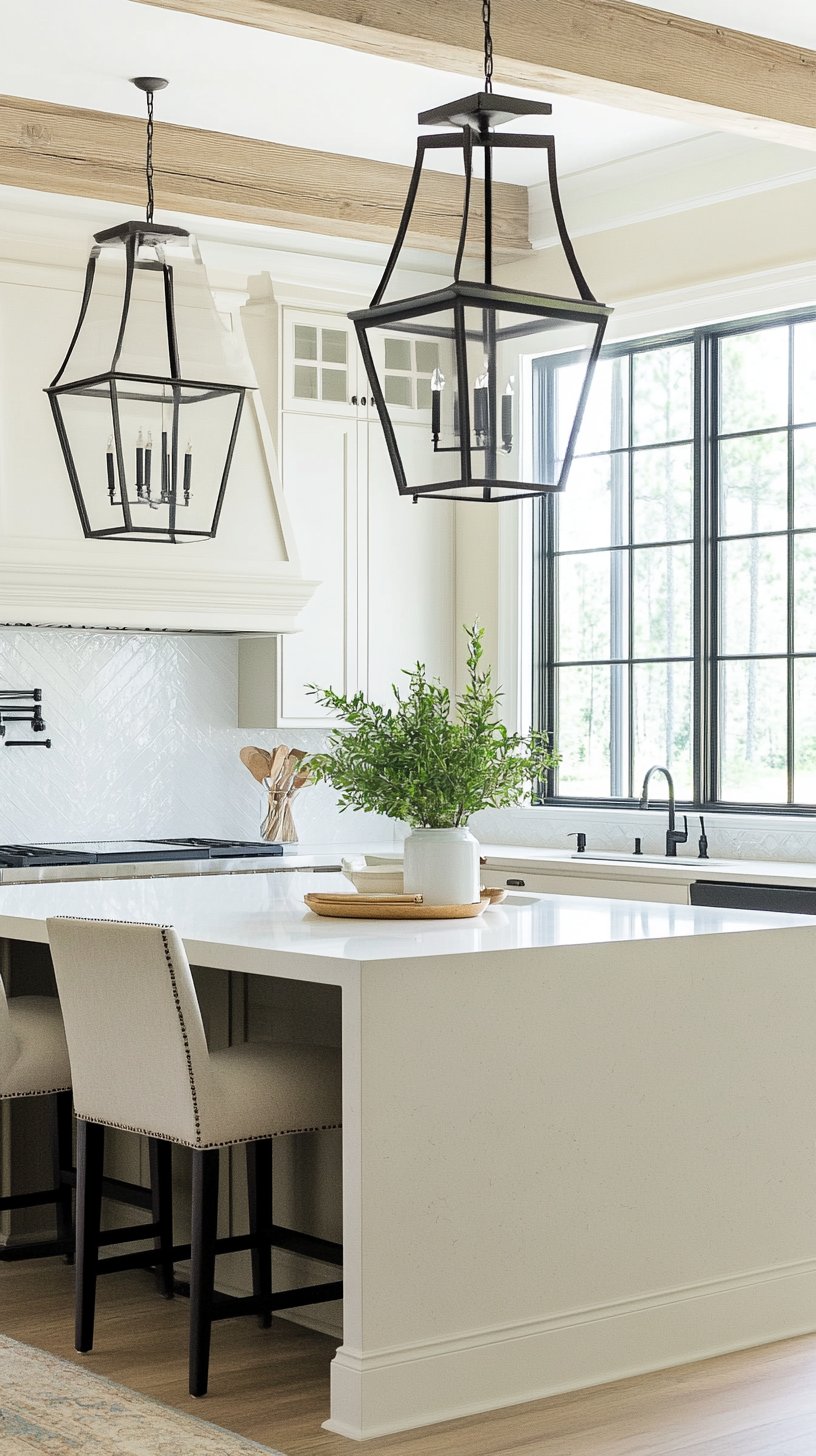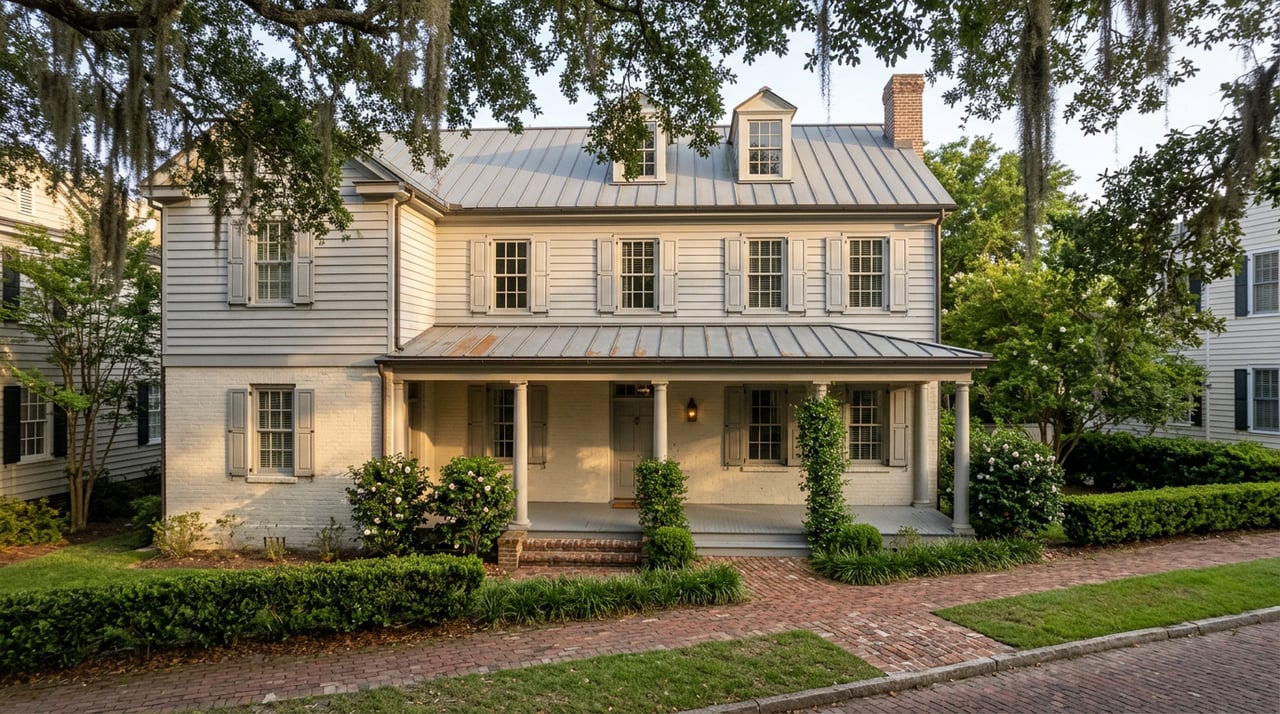
"Upkeep is critical and maintaining the look of each and every building is a labor of love, and it shows."
That line comes from World Atlas, describing what earned downtown Thibodaux a spot among Louisiana's best downtowns. It reads like a compliment, and it is one. It is also, if you own a house inside the historic district lines, a fairly accurate description of a legal obligation you did not know you signed up for at closing.
Here is what nobody hands you with the keys: in Thibodaux's historic district, you cannot repaint your shutters, swap out a window, replace a fence, or put up a new sign until the city's Historic District Board says the plans are appropriate. Not a suggestion. Louisiana state law backs it, and the city enforces it through a board that meets roughly once a month.
The Rule Nobody Mails You After Closing
Louisiana's historic preservation statute is specific about what it covers. Under state law, no private building, fence, boundary wall, sign, light fixture, or set of steps can be erected, altered, restored, moved, or demolished inside a historic preservation district until a Certificate of Appropriateness has been submitted and approved. The statute even reaches into the ground itself: if a property sits on land with archaeological significance, digging or moving earth requires the same approval.
This is not a Thibodaux quirk invented by an overzealous committee. It is how Louisiana's Certified Local Government program works statewide. A city ordinance creates the district and the commission, the commission reviews exterior work using design guidelines or the Secretary of the Interior's Standards, and the whole arrangement plugs the city into state and federal preservation partnerships. Thibodaux's version of that commission is the Historic District Board, which operates under the city's Department of Public Works, the same department that handles standard building permits, streets, drainage, and water service.
For a buyer moving from a subdivision outside the district, this is the part that catches people off guard. Outside historic boundaries, a building permit is usually the whole story. Inside the district, the building permit is step two. Step one is a form most buyers never think to ask about until a contractor asks for it.
What Actually Triggers a Certificate, and What Doesn't
The statute draws a real line, and it matters for anyone planning a renovation budget.
Work that typically needs board approval:
- Windows, doors, and roofing changes
- Siding, fences, and boundary walls
- Paint color and exterior finishes
- Signs and light fixtures
- Steps, paving, and other exterior fixtures
- Additions, demolition, or moving a structure
Work that's generally exempt:
- Ordinary maintenance or repairs that don't change the design, material, or outward appearance
- Work required immediately for public safety because of an unsafe condition
- Work already underway or permitted before the district existed
The distinction sounds simple until you're standing in front of a house deciding whether "repair" and "replace" are the same thing. Replacing a rotted board with an identical board is maintenance. Replacing a wood window with vinyl is a design change, and design changes are exactly what the board exists to review.
Two Paths Through the Same City Hall
| Step | Renovating outside the historic district | Renovating inside the historic district |
|---|---|---|
| First approval needed | Building permit | Certificate of Appropriateness |
| Who reviews it | Building inspector | Historic District Board, at a public meeting |
| Review timing | Typically processed on submission | Tied to the board's monthly meeting schedule |
| Second approval needed | None, in most cases | Building permit, after the certificate is issued |
That middle row is the one worth sitting with. A building inspector processes a standard permit application on its own timeline. A Certificate of Appropriateness waits for the board's next public meeting.
The Calendar Behind the Rule
The city's own public calendar shows how this plays out in practice. A Historic District meeting was listed for July 9, 2026, at 5:30 p.m. at City Hall, 310 West 2nd Street. That is one data point, not a permanent schedule, but it illustrates the pattern: this board meets in public, on a set night, roughly once a month, alongside the Planning and Zoning Board and the Board of Adjustments.
If your renovation plans land the week after a meeting, you are not waiting days. You are waiting for the next scheduled meeting, then whatever time the board needs to issue a decision, before your contractor can pull the building permit that follows. A buyer who plans a spring renovation around a contractor's open calendar slot, without checking the board's calendar first, can watch that slot close before the paperwork clears.
Why Thibodaux Holds the Line
None of this exists in a vacuum. Thibodaux Main Street, Inc., the nonprofit behind downtown's ongoing revitalization work, describes its mission around historic preservation as economic development, not just appearance. The events it runs, from the Main Street Cook-Off to seasonal downtown clean-up days, are built around keeping the district a place people want to walk through, not just drive past.
The World Atlas recognition backs that up with an outside opinion. The writeup didn't credit downtown Thibodaux for size or square footage. It credited the upkeep, the sense that the buildings along Bayou Lafourche still look like they belong to the same era they were built in. That consistency is not an accident of good taste. It is the direct output of a board saying no to mismatched vinyl windows one certificate at a time.
For a buyer, this is the trade worth understanding before you write an offer. The same rule that slows down your renovation timeline is the rule protecting the resale story you're buying into. A downtown Thibodaux address sells partly on the fact that it still looks like downtown Thibodaux.
The Other Kind of Protection, Happening at the Same Time
While the Historic District Board protects how downtown looks, a separate project has been protecting how the whole city stays powered. Entergy Louisiana is partway through a $1.9 billion resiliency plan approved by the Louisiana Public Service Commission, and city officials have gotten regular updates on the pace. In 2025 the utility replaced 54 poles citywide with hardened versions rated to withstand 150 mile-an-hour winds. It replaced 27 more in the first quarter of 2026, with a target of 242 additional poles across Thibodaux by the end of the year.
Downtown got its own dedicated phase of that work. Crews focused on the intersection of Jackson and St. Mary streets, scheduling the work for overnight hours, Sunday through Wednesday, specifically to avoid disrupting downtown businesses. That phase called for replacing 32 of 41 poles, with a projected in-service date of late August 2026.
Put the two projects side by side and you get a fuller picture of what buying into this district actually means. One board is holding the exterior of these buildings to a historic standard. One utility company is quietly hardening the infrastructure underneath them against the next storm. A buyer weighing a historic Thibodaux address against a newer subdivision is weighing character that's protected by ordinance against infrastructure that's being upgraded in real time, not choosing between charm and resilience as if they're mutually exclusive.
What This Means If You're Under Contract Right Now
If you're actively shopping downtown Thibodaux, or already under contract, a few habits save real time later. Check the historic district map before you finalize renovation plans, not after. Ask the seller or your agent whether any Certificate of Appropriateness applications are already pending on the property, since an open application can carry over. Separate your renovation wish list into maintenance items, which move fast, and design changes, which move on the board's schedule. And build the meeting cadence into your timeline the same way you'd build in an appraisal contingency: as a fixed point you plan around, not a formality you discover halfway through a project.
An agent who works this neighborhood regularly tracks which properties have pending board business and which don't, the same way they'd track a pending survey or a title curative item. That's the kind of detail that turns a renovation timeline from a guess into a plan.
A Few Questions Worth Asking Directly
Does the certificate apply to interior work? No. The statute and the board's review authority cover exterior architectural features only. Interior renovations don't require board approval, though they may still require a standard building permit.
What if I want to match the original material exactly? Matching materials still typically requires a certificate if the work goes beyond ordinary repair, since the board reviews the change itself, not just whether the result looks similar.
Can work already in progress continue if I buy a home mid-renovation? Generally, work that had valid permits before the district was established, or before the current phase of work began, is treated differently than new work you initiate. Confirm the specific permit history with the city before assuming continuity.
How far in advance should I plan around the board's meeting schedule? Treat it the way you'd treat any monthly public body. Confirm the current meeting date directly with the city, then work backward from it when you're setting a contractor's start date.
If you're weighing a historic address in downtown Thibodaux against a newer home elsewhere in the parish, the renovation rules are worth understanding before you fall in love with a floor plan you can't legally repaint the way you pictured. That's exactly the kind of local detail Good Earth Realty Houma walks through with buyers before an offer goes in, not after. Let's find your next home, start your search with a local agent who already knows which board meets when.