Dreaming of a simple base where you can launch at first light, clean your catch, and watch the marsh sky fade in the evening? If Cocodrie has your heart, you’re not alone. Buying a fishing camp in 70344 can be a great lifestyle move and a smart investment if you know what to look for. In this guide, you’ll learn what “camp” really means here, how access and utilities work, the permits and flood realities you must check, and the inspections and insurance to price before you offer. Let’s dive in.
What a Cocodrie fishing camp is
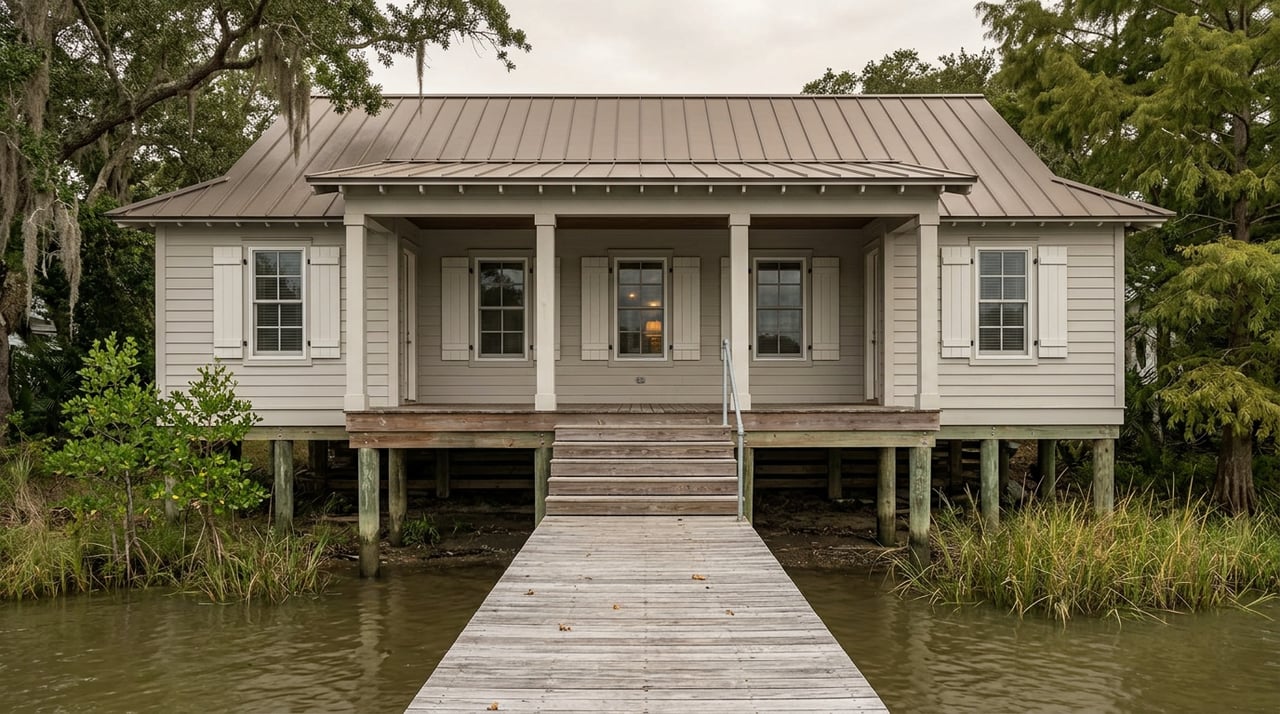
In Cocodrie, a “camp” is usually a compact second home or weekend place built for time on the water. Most are elevated on pilings to meet code and help withstand storm surge. You’ll see metal roofs, screened porches, and simple floor plans geared to easy cleanup after a salty weekend.
Waterfront features vary. Many camps have private docks, boat lifts, or boathouses. Conditions range from freshly rebuilt to weathered and due for work. Lots are often narrow with direct bayou or canal frontage, so outdoor space may be tight and parking limited.
You’ll also find a mix of traditional stick-built structures and manufactured or modular homes placed on pilings. If financing is part of your plan, foundation type and setup will matter, so confirm details early.
Access: roads and water
Cocodrie sits at the end of the road south of Houma. You’ll reach the area via LA‑56 or LA‑57, then local roads to camp rows and marinas. Travel time back to Houma for supplies, work, or medical appointments is worth factoring into your routine.
On the water, most buyers value immediate boat access. Depths, dredging history, and the parish’s floodgate operations affect navigation. The Terrebonne levee and flood control system can close gates during certain wind or tide events, which can briefly limit marine traffic. You can review an overview of how local flood control structures operate in this Terrebonne levee system summary.
Utilities and services: what to expect
- Electricity: Entergy commonly serves Cocodrie-area addresses. Verify the meter location and whether service and wiring were updated after major storms.
- Water and sewer: Some parcels tie into parish waterworks, while others rely on private wells or cisterns. Sewage is often septic or a holding/cesspool system. Confirm exact setups, permits, and recent service records.
- Internet and cell: Wired broadband is limited in many camp pockets. Many owners use satellite or LEO options; local guidance on options is summarized in resources like SatelliteInternet’s Louisiana overview. Always test coverage at the exact address.
- Fuel and waste: Propane is common for cooking or heat. Many camps keep a generator. Trash and commercial services can be limited in more remote spots, so confirm parish pickup or private service.
Permits and coastal rules
Cocodrie sits in Louisiana’s coastal zone, so shoreline work is regulated. Many actions near the water — docks, boathouses, bulkheads, dredging, or adding fill — require a Coastal Use Permit or notification through the parish’s program. Start with Terrebonne Parish’s Coastal Use page and permit checklist to verify existing improvements and plan future ones. You can contact the parish program and review guidance here: Terrebonne Parish Coastal Use Permits.
Federal and state permits may also apply for work in or over the water. The U.S. Army Corps of Engineers regulates structures and dredging in navigable waters. Before you assume a dock is fully permitted, ask for copies of prior permits and consult the parish office for the project’s permit history.
Flood, land loss, and surge risk
Cocodrie is part of a dynamic coastal system. Flood risk, land subsidence, and shoreline change are a reality here.
- Flood zones: Lenders rely on official FEMA maps. Use the FEMA Map Service Center to look up a parcel, then confirm details with the parish floodplain team. You can start here: FEMA Map Service Center.
- Easy map tool: The LSU AgCenter FloodMaps site offers a straightforward view of FIRMs and elevation context: LSU AgCenter Louisiana FloodMaps.
- Coastal land loss: Federal and state studies document historical wetland loss and the drivers behind it. For context, see the USGS overview of coastal Louisiana land loss: USGS land loss summary. Long-term projects in the state’s CPRA Coastal Master Plan target restoration across the region: CPRA Coastal Master Plan (2023).
Understanding both your current flood zone and the long-term shoreline trend helps you plan elevation, insurance, and maintenance.
Insurance: price it early
- Flood insurance: If you use a federally backed mortgage and the camp lies in a Special Flood Hazard Area (A or V/VE), flood insurance is required for the life of the loan. Your Elevation Certificate, any LOMAs/LOMRs, and mitigation features (freeboard, flood openings) can change your NFIP premium. Read the federal summary of the rule here: FEMA’s mandatory purchase overview.
- Wind and homeowners: Along the coast, wind exposure drives higher premiums and percentage-based wind deductibles. When private carriers are limited, Louisiana’s insurer of last resort (Louisiana Citizens) may be an option, often at higher cost. The Legislative Auditor provides context on Citizens and coastal market realities: Louisiana Citizens overview.
The most reliable step is to request address-specific quotes from a licensed insurance agent early in due diligence, then use those numbers to shape your offer.
Due diligence checklist for your offer
Use this list to focus your early calls and inspections:
- Confirm flood zone and elevation. Ask for the seller’s Elevation Certificate or order a surveyor to produce one. Verify the zone through the FEMA Map Service Center or speak with parish floodplain staff.
- Title and access. Verify deeded water access, dock easements, and any restrictions on pier or lift placement. Have your title company research recorded easements and servitudes.
- Dock, lift, and shoreline permits. Request copies of any parish, state, or USACE permits for piers, boathouses, bulkheads, or dredging. Start with the parish’s Coastal Use program for guidance: Terrebonne Parish Coastal Use Permits.
- Structural and marine inspections. Hire qualified inspectors for pilings, framing, roof, and corrosion. Inspect electrical (GFCIs, service height) and test septic or holding tanks. FEMA’s coastal guidance highlights common failure points: FEMA coastal construction and corrosion guidance.
- Insurance quotes. Get written quotes for flood and wind/hail. Ask whether coverage would be placed with a private carrier or Louisiana Citizens, and review deductibles and exclusions: Louisiana Citizens overview.
- Utilities and logistics. Confirm electric provider, water source, and sewer type; verify propane availability, generator condition, and internet options. Ask the parish about trash service and any short-term rental rules if you plan to rent the camp.
Ownership costs and maintenance
Salt, sun, and storms create a unique maintenance rhythm. Expect:
- Corrosion on metal connectors, roof fasteners, and boat-lift hardware.
- Wood rot and marine borer damage on piles and docks.
- Fouling on pilings and hulls, plus faster roof and paint wear.
Build a routine for seasonal inspections and set aside a reserve for dock or piling work, which can be one of the largest recurring costs. For a technical primer on materials and flood-resistant details, see FEMA’s guidance on coastal construction and corrosion: FEMA coastal construction and corrosion guidance.
Financing and closing notes
If the property is in an SFHA and you use a federally regulated loan, your lender will require flood insurance. Manufactured homes or camps not on permanent foundations can follow different lending paths, such as chattel or personal property loans. Confirm eligibility with your lender before you tour.
If your survey shows favorable elevations or natural high ground, a Letter of Map Amendment (LOMA) may help reduce NFIP premiums, but it requires professional surveying and a FEMA review. For the federal flood insurance requirement, see: FEMA’s mandatory purchase overview.
At closing, verify all dock and shoreline permits, make sure utility accounts are transferred, and confirm insurance is bound with the coverage and deductibles you approved.
How a local agent helps you win
Cocodrie is a niche market. An experienced Terrebonne Parish agent uses the Bayou Board of REALTORS MLS to track camp subtypes, waterfront features, and permit notes, then coordinates with surveyors and marine contractors to confirm what is built and legal. Learn more about the local MLS community here: Bayou Board of REALTORS.
A trusted local pro will also:
- Pull address-specific flood and elevation info and point you to parish floodplain staff.
- Request dock and shoreline permit history from the seller and parish.
- Line up the right inspectors for pilings, structure, septic, and electrical.
- Help you price insurance and compare options before you write.
When you pair local knowledge with a clear checklist, you can buy confidently and enjoy the water sooner.
Ready to see what’s available and map out your due diligence plan? Reach out to Good Earth Realty Houma for local guidance, Bayou MLS access, and down-to-earth advice from a team that knows Cocodrie.
FAQs
What does “fishing camp” mean in Cocodrie?
- In 70344, a camp is typically a small, elevated second home or weekend place on pilings with simple finishes and often a private dock or lift, built for easy use around fishing and boating.
How do I check the flood zone for a Cocodrie address?
- Look up the parcel on the FEMA Map Service Center and review the LSU AgCenter FloodMaps tool at LSU AgCenter Louisiana FloodMaps, then confirm details with the parish floodplain office.
Do I need a permit to build or replace a dock in 70344?
- Most shoreline work in Terrebonne’s coastal zone requires parish Coastal Use authorization and may need state or USACE approvals; start with Terrebonne Parish Coastal Use Permits to understand requirements.
How do levee gates affect boating access in Cocodrie?
- During certain wind or tide events, flood control structures can close temporarily, which may limit marine traffic; see this Terrebonne levee system overview for context.
Can I get reliable internet at a Cocodrie camp?
- Many owners use satellite or LEO internet; coverage varies by exact address, so verify signal on-site and explore options like those summarized here: Satellite internet options overview.
What insurance should I budget for on a waterfront camp?
- Price NFIP flood insurance if in an SFHA and a coastal homeowners policy with a wind/hail deductible; when private carriers are limited, Louisiana Citizens may be an option: Legislative Auditor summary.