If you are thinking about buying land near Houma, you are probably asking a simple question with a lot of moving parts: Can this property actually do what I need it to do? Whether you want a homesite, space for a hobby, or land for a business use, the right parcel is about much more than price and acreage. In Terrebonne Parish, zoning, floodplain rules, utilities, access, and permits can all shape what is possible and what it may cost. Let’s dive in.
Why land near Houma draws different buyers
The land market near Houma serves a wide range of goals at the same time. Current public listings show everything from small infill lots to large acreage tracts, which means buyers are not all looking for the same thing.
Realtor.com’s Houma land listings currently show 163 land and lot listings. That inventory includes examples like a 0.3-acre lot listed at $84,000, a 4.23-acre tract at $55,000, an 8.18-acre tract at $200,000, a 277.33-acre tract at $6.25 million, and a 32.37-acre tract at $7.5 million.
That range matters because it suggests the market can support very different plans. You may be comparing a homesite near existing services, a larger tract for recreation or storage, or a parcel that could support a future business use if local rules allow it.
For added context, Houma’s broader housing market overview shows 666 properties for sale, with a median listing price of $230,000 and a median of 103 days on market. If you are weighing land against an existing home, those numbers can help frame your options.
Start with zoning first
Before you fall in love with a piece of land, confirm what the parcel is allowed to be used for. In Terrebonne Parish, zoning is the first major filter because it governs whether land may be used for residential, commercial, or industrial purposes.
According to Terrebonne Parish zoning information, the parish code also regulates setbacks, placement, bulk, and height. In other words, zoning does not just affect if you can build. It also affects how a structure may fit on the site.
This is especially important if your plans go beyond a standard homesite. If you want to operate a business from your residence, the parish says some uses may qualify as a Home Occupation or a Special Exception, and those require public-hearing approval.
Why zoning and flood maps are different
A common mistake is assuming zoning answers every land-use question. It does not. The parish specifically notes that zoning rules are separate from flood zone maps.
That means a parcel could have the zoning you want but still come with floodplain or permit issues that affect cost and timing. You need both pieces of the puzzle before making a decision.
Use the GIS map carefully
The parish GIS zoning map can be a helpful planning tool when you start narrowing down parcels. You can review Terrebonne Parish GIS resources to get a reference-level look at zoning and parcel information.
Still, the parish says the GIS data is for reference only and does not have survey or engineering accuracy. If you need official answers about zoning or setbacks, Planning and Zoning is the source to confirm them.
Floodplain and coastal rules can change the budget
In this area, floodplain and coastal-zone issues are not side notes. They can directly affect whether land is ready to build on, what permits are required, and how much site work may cost.
Terrebonne Parish states that new FEMA flood maps took effect on September 7, 2023. The parish also notes that many structures in the parish are in the Special Flood Hazard Area, and floodplain development requires a permit before construction begins.
The parish participates in the National Flood Insurance Program, which makes flood insurance available. FEMA also notes that standard flood policies typically have a 30-day waiting period, so this is not something to leave until the last minute.
Coastal Zone rules matter across Terrebonne Parish
A major local detail is that all of Terrebonne Parish has been included in Louisiana’s Coastal Zone since 2012. Based on parish permit guidance, Coastal Use Permits may be required for activities such as site clearing, fill placement, borrow pits, riprap or erosion control, and boathouses or slips.
The same guidance notes that actual single-family home sites are exempt, although associated work such as driveways may still be regulated in some areas. If you are buying land for a house, that distinction can matter a lot during planning.
Wetlands and fill work need extra review
If your project may involve dredge or fill in wetlands or other waters of the United States, the U.S. Army Corps of Engineers says Section 404 permitting may apply. This is particularly relevant if you are thinking about drainage changes, fill dirt, or waterfront improvements.
In practice, this means you should not assume raw land is immediately build-ready just because it looks usable. Parcel-specific review is the safer path before ordering dirt work or making site plans.
Utilities and access often decide value
A tract can look affordable on paper and still become expensive if utilities or access are not in place. That is why some of the most important questions come after the listing photos.
Terrebonne Parish utilities report that electric distribution serves about 13,308 customers in the corporate limits and immediate urban areas. The parish also reports that gas distribution serves about 14,500 customers in the corporate limits and adjacent communities along Bayou DuLarge, Bayou Black, and Little Bayou Black, while Consolidated Waterworks District No. 1 provides potable water to all areas of Terrebonne Parish.
That does not mean every parcel is plug-and-play. You still need to confirm whether service is available at the specific property and what connection work may be required.
Sewer, septic, and wells
For rural or edge-of-town parcels, one key issue is wastewater. If public sewer is not available, an onsite system may be needed.
The state’s Onsite Wastewater Program regulates these systems. The same source notes that private well owners are responsible for testing and maintaining their wells, which is another important cost and maintenance factor if a parcel will not connect to public water.
Driveway and drainage access
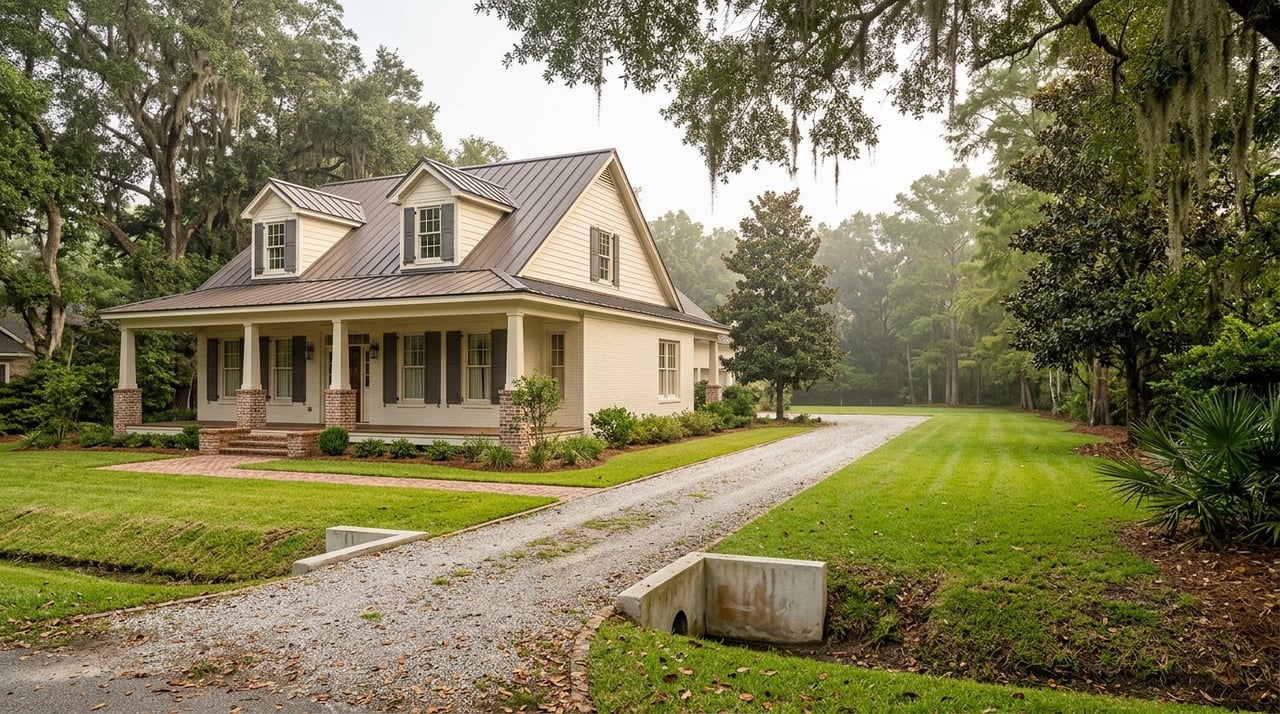
Access is about more than touching a road. In many cases, you also need to think through how a driveway crosses drainage features and whether culvert work is required.
Terrebonne Parish provides culvert permit information for culverts, catch basins, and related structures in public drainage ditches or canals. This can be especially relevant when planning a new driveway entrance or trying to improve drainage on a site.
Carrying costs matter too
Land buyers sometimes focus so much on purchase price that they overlook the ongoing costs of holding property. Those costs can shape your budget whether you plan to build right away or later.
The Terrebonne Parish Assessor says land is assessed at 10% of fair market value. The assessor also notes that parish tax bills are sent later in the year and due by December 31.
If you are buying land for future use, those annual costs are worth checking early. They may be manageable, but they still need to fit your plan.
A simple way to evaluate land near Houma
In this market, the best land search usually follows a clear order. The goal is to answer the biggest risk questions before you get too far into the process.
Here is a practical checklist to use:
- Confirm allowed use. Verify zoning, setbacks, and whether your intended residential, hobby, or business use fits parish rules.
- Check floodplain and coastal issues. Review flood maps and ask whether floodplain, coastal, wetlands, or fill permits may apply.
- Verify utilities. Confirm electric, water, gas, sewer, septic, or well needs for the specific parcel.
- Review access and drainage. Ask about road frontage, legal access, easements, and any culvert or drainage requirements.
- Check boundaries and title. Because the GIS map is not survey-grade, verify boundary lines, easements, and access with a surveyor and title company rather than relying on map imagery alone.
- Estimate carrying costs. Factor in taxes, insurance timing, permit costs, and site-prep expenses before you make an offer.
Why local guidance helps with land purchases
Land purchases tend to be more parcel-specific than home purchases. Two properties that look similar online can come with very different zoning paths, utility setups, permit needs, or site-prep costs.
That is one reason local market access matters. With the current mix of parcel sizes and price points in Houma, buyers often benefit from MLS access, listing alerts, and local guidance that can help match a property to a very specific goal.
If you are comparing land for a homesite, personal use, or future business plans, it helps to work with a team that understands how these local details connect. The right support can help you ask better questions earlier, which is often the best way to save time and avoid costly surprises.
If you are ready to explore land near Houma, Good Earth Realty Houma can help you search available properties and evaluate the local factors that matter before you move forward.
FAQs
What should you check first when buying land near Houma?
- Start with zoning, because Terrebonne Parish zoning rules determine whether land may be used for residential, commercial, or industrial purposes, along with setbacks, placement, bulk, and height.
How many land listings are currently available in Houma?
- Realtor.com currently shows 163 land and lot listings in Houma, ranging from small lots to large acreage tracts.
Do flood zones affect land purchases in Terrebonne Parish?
- Yes. Terrebonne Parish says many structures are in the Special Flood Hazard Area, and floodplain development requires a permit before construction begins.
Can you run a business from residential land in Terrebonne Parish?
- Sometimes. The parish says some business uses may qualify as a Home Occupation or a Special Exception, and those require public-hearing approval.
Do you need permits for site work on land near Houma?
- In many cases, yes. Depending on the parcel and the work involved, you may need floodplain, coastal use, culvert, or other permits before starting site improvements.
Why is a survey important when buying land in Houma?
- Terrebonne Parish says its GIS data is for reference only and does not have survey or engineering accuracy, so a survey helps verify boundaries, easements, and access more reliably.