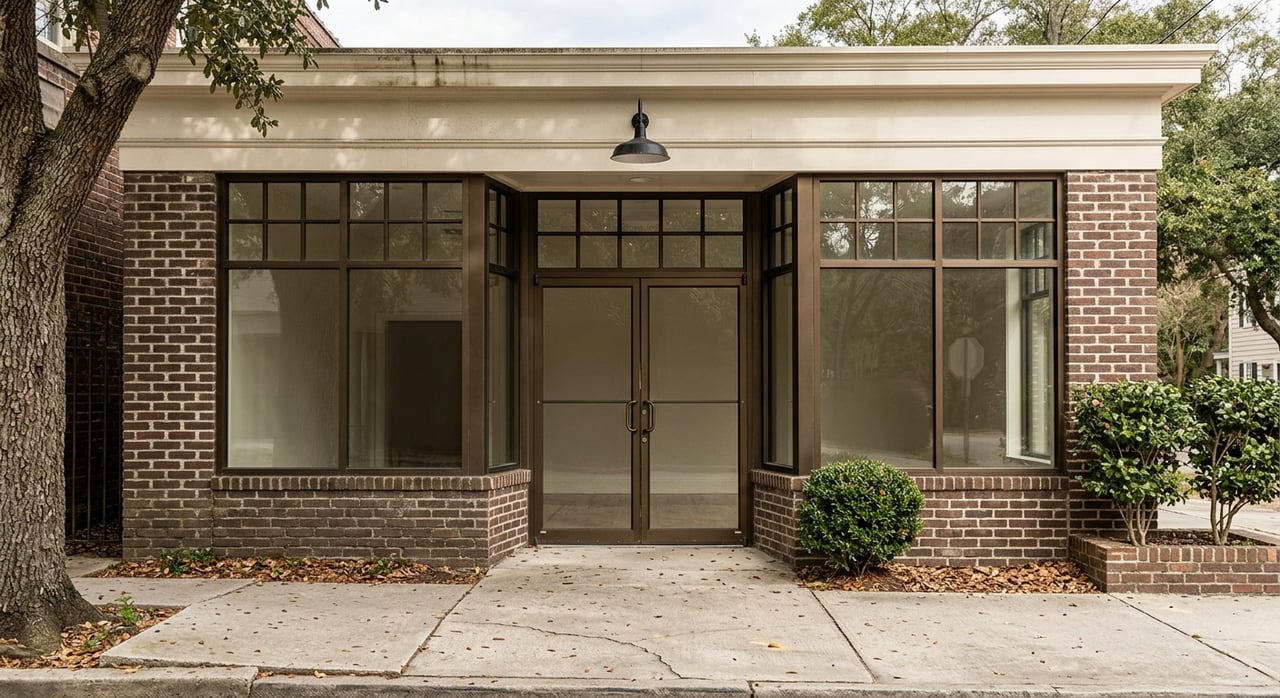
Opening your first commercial property search in Houma can feel exciting right up until the questions start piling up. Can you use the property the way you want, what flood rules apply, and how much will the building really cost beyond the asking price? If you are buying your first commercial property in Terrebonne Parish, a little local homework can save you time, money, and stress. Let’s dive in.
Start With Your Intended Use
Before you think about price, start with how you plan to use the property. In Houma, commercial real estate decisions sit within Terrebonne Parish’s planning and zoning system, which is guided by the Comprehensive Master Plan, Zoning Ordinance, Subdivision Regulations, and Building Codes.
That means the first question is simple: is the property zoned for your intended use? Terrebonne Parish provides a zoning district GIS map and zoning district regulations to help confirm whether a parcel fits your plans. Some uses may also need Home Occupation or Special Exception approval after a public hearing, so a quick map check is only the first step.
You also need to remember that zoning approval does not automatically cover every other requirement. Some businesses may need added permits or licenses from parish or state agencies. For a first-time buyer, that is a good reason to ask questions early instead of after you have made an offer.
Understand Houma’s Local Review Process
In Terrebonne Parish, commercial projects often require more detail than first-time buyers expect. The local commercial permit checklist shows that applicants may need to provide a site plan with the 911 address, lot boundaries, setbacks, easements, rights-of-way, servitudes, existing and proposed features, and impervious-area calculations.
This matters because a property that looks workable at first glance may become more complicated once the review begins. Access points, parking layout, drainage details, and lot constraints can all affect whether your plan is practical. It is much easier to learn that before you commit than after closing.
There are also some important local triggers to know. For commercial projects valued at $50,000 or more, the parish requires commercial contractors to be the applicant, and the checklist points applicants to Louisiana contractor licensing rules. Extra approvals may also apply for state-highway driveways or work in the Houma Historic District.
Flood Due Diligence Matters in Terrebonne Parish
Flood risk is not a side issue in Houma. Terrebonne Parish says much of the parish is low or below sea level, and rain, hurricanes, and storm surge are major flood drivers.
That is why flood due diligence should be part of your early review, not something you save for later. New FEMA flood maps took effect on Sept. 7, 2023, and Terrebonne Parish states that all development in the parish, including floodplain development, requires a permit.
For some floodplain projects, the parish also requires a recorded FEMA/NFIP Nonconversion Agreement before a building permit will be accepted. If you are looking at a building that may need improvements, build-out, or a change in use, flood-related requirements can directly affect your timeline and costs.
Look Beyond the Asking Price
One of the biggest mistakes first-time commercial buyers make is focusing too much on the purchase price or base rent number. In commercial property, the better question is what your total occupancy cost or total ownership cost will look like over time.
The SBA recommends comparing property values, rental rates, insurance, utilities, and local license and fee costs because these expenses vary by location. In a place like Houma, flood-related considerations, site work, drainage needs, and permitting requirements can also shape your real costs.
If you are evaluating an owner-user property, think through both your current budget and your future operating costs. A lower-priced building may still be more expensive to own if it needs major improvements, extra permitting, or ongoing maintenance.
Learn the Basic Lease Structures
Even if you plan to buy, understanding lease structures helps you evaluate tenant spaces, mixed-use properties, or investment opportunities. Commercial leases usually differ based on how operating costs are divided between landlord and tenant.
Here is the basic breakdown:
- Triple-net lease: the tenant typically pays property taxes, insurance, and operating charges in addition to base rent.
- Full-service lease: the landlord typically carries more of those costs, usually with a higher base rent.
- Modified gross lease: costs are split in a way that falls somewhere between triple-net and full-service structures.
The main takeaway is that base rent is not the whole story. Gross and modified-gross structures often carry higher base rent even when the total payment may end up being similar. If you are comparing spaces or reviewing income potential, look at the full cost structure instead of just the headline number.
Check Vacancy and Maintenance Risk
Vacancy can create more than a lost-income problem. Terrebonne Parish has a vacant commercial structures overlay district, and under that rule, a structure can be treated as vacant after 180 days without active lawful commercial or residential activity.
When that happens, owners may have extra responsibilities. The rules can require the owner to register the structure, designate a local property manager, post the manager’s contact information, and maintain exterior surfaces and roof drainage.
For a first-time commercial buyer, this is a reminder that a vacant building may come with added obligations. If you are considering a property that has sat empty, ask questions about its status, maintenance history, and any local compliance issues before moving forward.
Know When to Bring In Professionals
You do not have to figure out every moving part on your own. In fact, the earlier you build the right team, the easier it is to spot red flags and make a more confident decision.
For many first-time buyers, the most helpful early team includes:
- A commercial real estate broker to help with property search, local context, and zoning questions
- An attorney to review lease or purchase terms
- A lender or Certified Development Company if financing is part of the plan
- A licensed contractor for project scope, permit planning, and improvement costs
The SBA specifically recommends attorney review if any lease terms are unclear before signing. On the local side, Terrebonne Parish’s permit packet also points applicants toward licensed contractors and state licensing requirements.
Financing Basics for Owner-Users
If you plan to occupy the building for your own business, financing options may look different from an investor purchase. One program first-time buyers often hear about is the SBA 504 loan program.
According to the SBA, 504 loans offer long-term, fixed-rate financing for major fixed assets. They can be used to buy or construct existing buildings, land, new facilities, or improve land, streets, utilities, parking lots, landscaping, and existing facilities.
There are limits, though. SBA says 504 loans cannot be used for working capital, inventory, or speculation in rental real estate, and the maximum loan amount is $5.5 million. If you think owner-user financing may fit your goals, it helps to talk with a lender or CDC early so you can match your property search to your financing options.
Why Local Market Knowledge Helps
Commercial real estate in Houma is local in a very real way. The data may be broad, but the details that shape a good decision often come down to local zoning habits, floodplain concerns, permit expectations, and how a property fits your actual business use.
Bayou Board of REALTORS serves Terrebonne and nearby parishes and is part of ROAM MLS, which was designed to bring data together across a broader area. That wider data pool can be useful, but local knowledge still matters when you need to compare locations, understand likely hurdles, and spot opportunities that fit your goals.
That is where a local brokerage can bring value beyond a property search. When you work with a team that understands Houma and Terrebonne Parish, you are better positioned to ask the right questions before you commit.
If you are thinking about buying your first commercial property in Houma, a grounded plan can make all the difference. The right property is not just about price or square footage. It is about zoning fit, flood awareness, realistic costs, and a clear path from contract to closing. When you are ready to talk through your options, connect with Good Earth Realty Houma for local guidance you can trust.
FAQs
What should you verify first before buying commercial property in Houma?
- You should first verify that the property’s zoning matches your intended use and then check whether additional approvals, permits, or licenses may apply.
Why is flood research important for commercial property in Terrebonne Parish?
- Flood research matters because much of Terrebonne Parish is low or below sea level, new FEMA flood maps took effect in 2023, and all development in the parish requires a permit.
What does Terrebonne Parish require for some commercial permit applications?
- Some commercial permit applications require a detailed site plan showing items like lot boundaries, setbacks, easements, rights-of-way, existing and proposed features, and impervious-area calculations.
What happens if a commercial building sits vacant in Terrebonne Parish?
- In the vacant commercial structures overlay district, a structure can be treated as vacant after 180 days without active lawful activity, which can trigger registration, local manager, posting, and maintenance requirements.
What lease type should first-time commercial buyers understand in Houma?
- First-time buyers should understand triple-net, full-service, and modified gross leases because each structure handles taxes, insurance, and operating costs differently.
Can SBA 504 financing help with a first commercial property purchase in Houma?
- SBA 504 financing may help if you are buying or improving a building for your own business use, but it cannot be used for working capital, inventory, or speculation in rental real estate.