Shopping for a camp in Cocodrie or Chauvin and keep seeing “waterfront” and “waterview” in listings? In coastal Terrebonne Parish, those words can change how you use the property, what it costs to maintain, and which permits you may need. In this guide, you will learn what each term means locally, what to check before you tour, and the questions that save time and money. Let’s dive in.
Waterfront vs. waterview: what it means here
Waterfront
A waterfront parcel has water directly touching the property line, whether that is shoreline, marsh edge, canal bank, or a piered shoreline. You can often launch a small boat, fish from shore, or use a private dock if one exists. Expect more exposure to tides, storm surge, erosion, and salt impacts, along with potential bulkhead or shoreline maintenance.
Key checks:
- What is the water depth and navigability at the property line?
- Is the shoreline hardened or marshy, and how will that affect docking?
- Are any docks, bulkheads, or lifts permitted and included in the sale?
Waterview
Waterview means you can see the water, but you may not have physical frontage or direct access. You typically avoid shoreline upkeep, and you may have less exposure to erosion than direct-front parcels, though flood and wind risk still apply. Boat access is often indirect and may depend on shared ramps, easements, or leased docking.
Key checks:
- Is the view seasonal due to marsh grasses or intervening structures?
- Is there a recorded easement for water access?
- How far is the viewline and is it likely to change with new construction?
Canal-front
Canal-front means frontage along a dredged or natural canal. Canal width, depth, and maintenance vary widely in Cocodrie and Chauvin. Whether the canal connects to navigable water determines what boats you can use.
Key checks:
- Is the canal private or public/navigable, and who maintains it?
- What are typical depths at mean low and mean high tide, and is shoaling common?
- Are permits needed for docks, bulkheads, or dredging?
Bay access
Bay access, or direct bay access, means there is a route from the property or dock to a bay or the Gulf without lock or bridge obstructions. These properties often command a premium because boating and fishing access is better, but exposure to wind, surge, and stronger currents rises.
Key checks:
- What is the exact route to the bay or Gulf, and are there bridges with clearance limits?
- What are the controlling depths along the route, and are there seasonal shoals?
- Are there commercial channels nearby that affect traffic and wake?
Shoreline types you will see
Hardened shoreline
Bulkheads or rock/riprap make docking easier and reduce bank sloughing at your edge, but they can shift erosion to adjacent areas. These structures often require permits and ongoing upkeep. Ask for permit history and recent repair records.
Marsh edge or natural banks
These are ecologically sensitive and often more fragile. Docking may require pilings or a pier to reach usable depth and can involve stricter permitting. Expect more frequent inspections and maintenance due to organic soils and vegetative growth.
Pilings and pier-style docks
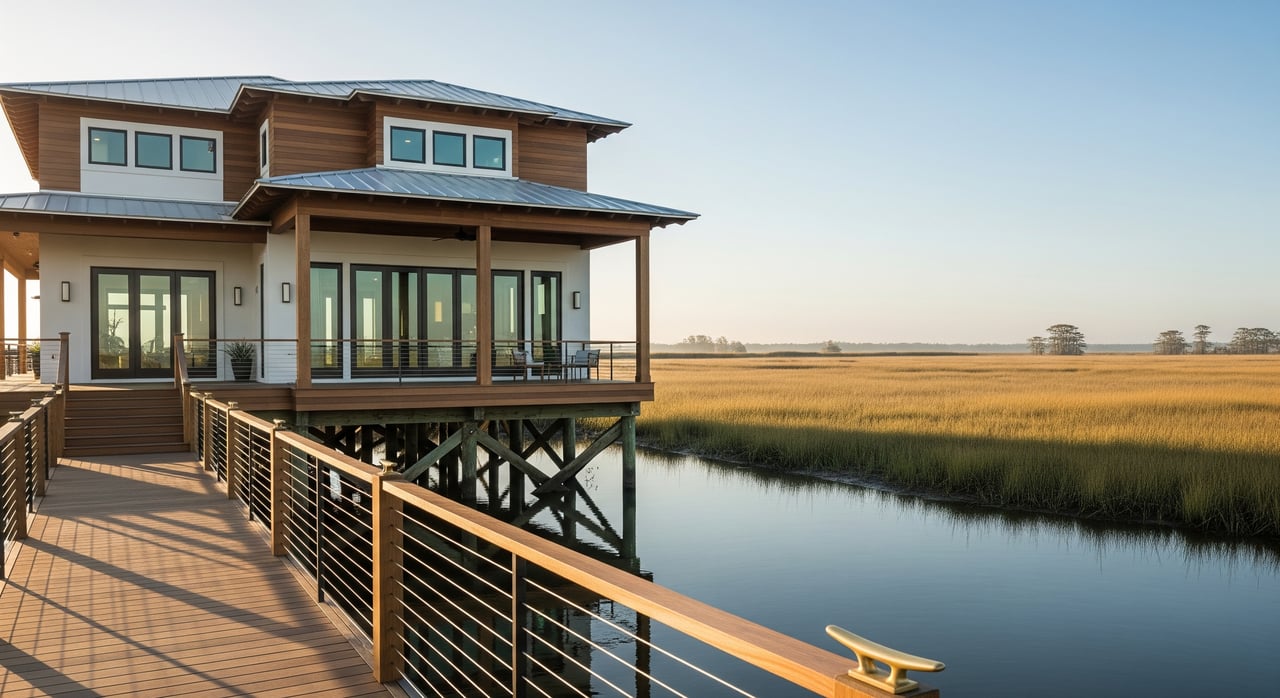
Common where water is shallow or marshy. Structures typically require permits and regular maintenance because salt and humidity accelerate wear. Inspect piling condition, bracing, decking, and marine hardware.
Local risks and rules in Terrebonne Parish
Flood zones and elevation
Many Cocodrie and Chauvin properties sit in high-risk flood zones. Elevation relative to Base Flood Elevation (BFE) affects insurance, lending, and building options. Request a recent Elevation Certificate and the current FEMA Flood Insurance Rate Map designation for the parcel.
Hurricanes and surge
Hurricane winds and storm surge shape local building practices. Elevated construction on pilings is common to reduce flood damage. Ask about wind and flood insurance, prior claims, and how the home performed during recent storms.
Ownership and tidelands
In coastal Louisiana, the line between private upland and state-owned tidelands or submerged land can be complex. Do not assume you “own to the waterline.” Use a title search and a recent survey to confirm boundaries, easements, and authorization for any structures extending into public waters.
Permits and agencies
Work in wetlands or navigable waters often involves multiple agencies. Docks, bulkheads, dredging, and shoreline modifications can require approvals from the U.S. Army Corps of Engineers, state coastal management, and Terrebonne Parish. For septic systems, consult health authorities for permits and inspections.
Property features to verify before you tour
Use this quick-request list to avoid surprises:
- Recent survey with shoreline and corners shown, plus any encroachments
- Elevation Certificate and FEMA flood zone designation
- Dock, pier, bulkhead, and boat-lift permits and repair records
- Septic permit, inspection/maintenance records, and any percolation tests
- Water source details and well report or water-quality tests, if applicable
- Insurance loss history, including any FEMA or private claims
- Photos or reports showing shoreline condition and erosion control
On-site walkthrough: what to look for
Bring a camera and take notes:
- Docks and pilings: look for rot, corrosion, loose hardware, and deck softness
- Water depth at the dock at low tide, plus any shoaling or silt lines
- Road access: note low spots that hold water and whether the road is parish-maintained or private
- Home underside: check piling condition, cross-bracing, ties, and signs of salt corrosion
- Utilities: confirm electric service, water source, septic location, propane setup, and any generator
- Internet and cell: test cell coverage and ask owners about service reliability
After the showing: smart next steps
- Order a title search that addresses submerged land rights and shoreline ownership
- Confirm permitting requirements for any planned improvements like docks or bulkheads
- Get preliminary quotes for flood and wind insurance based on the Elevation Certificate
- Schedule specialized inspections: marine/dock, septic, and structural
Canal and boating access questions to ask first
- What does the listing’s “access” mean in practice: across marsh, via a shallow canal, or from a functional dock?
- Is the waterway navigable year-round for your boat size at low tide?
- Who maintains the canal or channel, and how are dredging costs handled?
- Are there bridges or powerlines with clearance limits along the route?
Utilities and construction basics
Power is typically available but outages during storms are common. Ask about transformer location, outage history, and backup power. Water can be parish-supplied or private; confirm the source and any test results.
Many properties rely on onsite septic systems. Request permits, service records, and any repair notes. Elevated construction is common to meet BFE, and salt humidity accelerates corrosion and rot. Ask about treated lumber, marine-grade fasteners, and recent exterior maintenance.
Insurance and ongoing costs
Expect to evaluate flood insurance and wind or hurricane policies. Premiums depend on flood zone, elevation, and claims history. Title insurance and survey work may be more involved if shoreline or submerged-land questions exist. If canal maintenance or dredging is shared, ask how assessments are set and how often work occurs.
Common Cocodrie buyer pitfalls
- Assuming a waterview equals usable water access
- Not confirming who maintains canals or pays for dredging
- Overlooking tideland or submerged-land ownership that affects dock rights
- Skipping the Elevation Certificate or ignoring flood zone remaps
- Underestimating septic, internet, and power limitations
- Ignoring long-term coastal change that can affect shorelines and risk
Make a local plan
Coastal properties reward careful homework. When you understand the listing terms, confirm water access, and gather the right documents early, you can focus showings on camps that truly fit your plans. If you want local guidance and a clear path from search to closing, connect with the team at Good Earth Realty Houma for help tailored to Cocodrie and Chauvin.
FAQs
What is the difference between waterfront and waterview in Cocodrie?
- Waterfront touches the waterline and can allow direct access and docking, while waterview offers a view without guaranteed physical access or shoreline responsibilities.
How do flood zones and Elevation Certificates affect buying in Chauvin?
- Flood zone and the home’s elevation relative to BFE influence insurance, lending, and building choices, so request the current FEMA zone and a recent Elevation Certificate.
What permits are needed for docks or bulkheads in Terrebonne Parish?
- Work in wetlands or navigable waters often needs approvals from the Corps, state coastal management, and parish permitting; verify requirements before planning improvements.
Who maintains canals near Cocodrie, and why does it matter?
- Maintenance can fall to owners, an HOA, a levee district, or the parish, and it affects navigability and costs, including possible dredging assessments.
How can I confirm navigable access to the bay or Gulf from a property?
- Map the exact route, check bridge clearances and controlling depths at low tide, and ask about shoaling or seasonal changes along canals and channels.
What documents should I request before touring a Cocodrie camp?
- Ask for a recent survey, Elevation Certificate, flood zone, dock and shoreline permits, septic and well records, and any insurance or FEMA claims history.